

Why These Case Files Exist
Most urological cancers, stones and kidney problems are first seen by a general practitioner, a physician or a radiologist, not by a urologist. These files are written for that moment: what the finding usually means, what the options were in a real case, and when referral changes what is possible. Patient anonymity is maintained throughout.
What Each File Covers
- Presentation How the patient actually turned up, symptoms or incidental finding
- Workup Imaging, classification and what tipped the decision
- Procedure Technique chosen and why, with intraoperative detail
- Outcome Histopathology, margins, function and recovery, with numbers
- Takeaways What to look for in practice, and when to refer
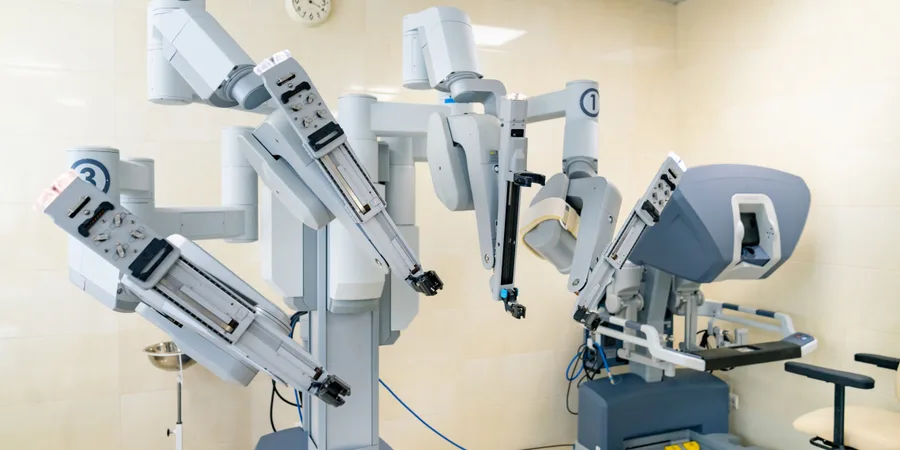
Case of the Week
Cancer Found by Accident. Kidney Saved by Design.
A 69-year-old woman with no symptoms at all. A 6 cm Bosniak IV solid-cystic mass in the lower pole of the right kidney, picked up on an ultrasound ordered for something else entirely. Robot-assisted partial nephrectomy with ICG (Firefly™) perfusion assessment. Clear cell RCC, WHO/ISUP grade 2, pT1b, negative margins. Discharged day 4, walking independently, with more than 90% of GFR preserved.
- Why a 6 cm tumour was still suitable for kidney-sparing surgery
- What Bosniak III and IV lesions mean for the referral decision
- The points that change what happens next in primary care
All Case Files
Cancer Found by Accident. Kidney Saved by Design.
Robot-assisted partial nephrectomy for a 6 cm Bosniak IV solid-cystic right renal mass in an asymptomatic 69-year-old woman. Clear cell RCC, pT1b, negative margins, full pentafecta, discharged day 4.
Read the Case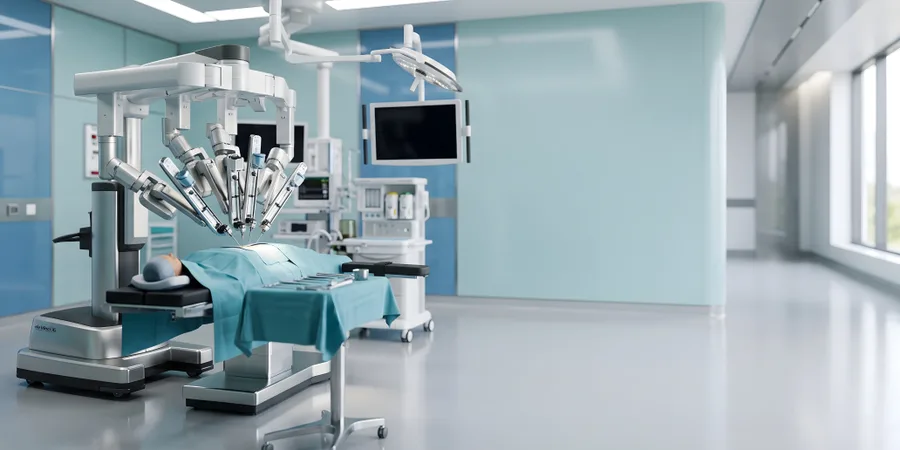
87 Years Young. One Kidney Worth Saving.
Kidney-sparing surgery in an elderly patient, where removing the whole kidney would have been the simpler decision. How age, baseline kidney function and tumour anatomy were weighed against each other.
Publishing shortly
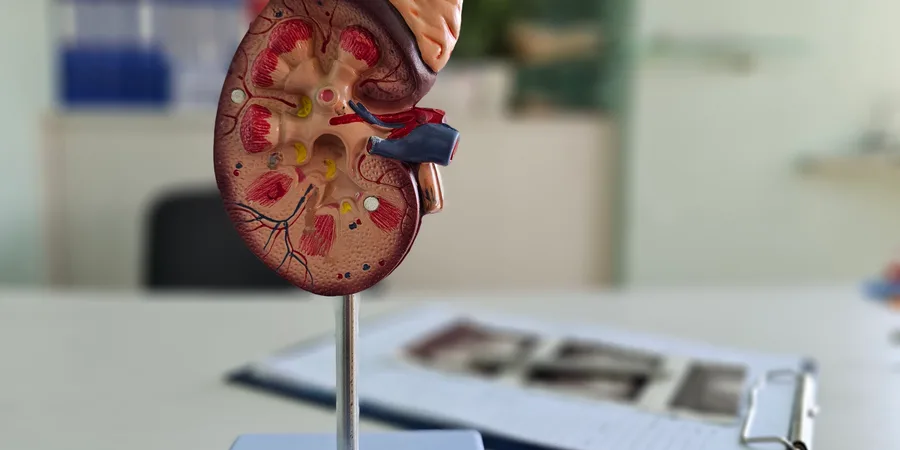
Nephrectomy That Preserved Kidney Function
A kidney cancer case where the surgical plan was built around protecting long-term kidney function, with the follow-up function data to show what it achieved.
Publishing shortly
How to Refer a Patient
Send the CT or MRI reports with images, a recent serum creatinine or eGFR, urinalysis, a short comorbidity summary, the current medication list including anticoagulants and antiplatelets, and any relevant surgical history.
Dr. Sharma reviews the imaging and reports, then schedules an in-person consultation or a teleconsultation to discuss the findings and the options with the patient.
A written opinion is shared with the referring doctor, along with the proposed plan and, where surgery is advised, the expected pathway and follow-up.
These case files are shared for professional and patient education only. All identifying details are removed and patient anonymity is maintained. Individual outcomes vary, and nothing in these files should be read as a promise of a particular result. Treatment decisions require a full specialist evaluation.
Have a Case You’d Like Discussed?
Dr. Himanshu Sharma is available to referring doctors for case discussion, second opinions and referrals, in person in Mumbai or by teleconsultation for patients elsewhere in India and internationally. Sharing the existing imaging and reports is the most direct way to establish what the options are.