

Recognizing the Signs
Common symptoms include severe pain in the flank or back, blood in the urine, nausea, vomiting, and a frequent or urgent need to urinate. Pain often comes in waves as a stone moves through the urinary tract.
What Puts You at Risk
Dehydration, certain dietary patterns, obesity, a family history of stones, and some metabolic conditions all increase the risk of stone formation.
From Evaluation to Treatment
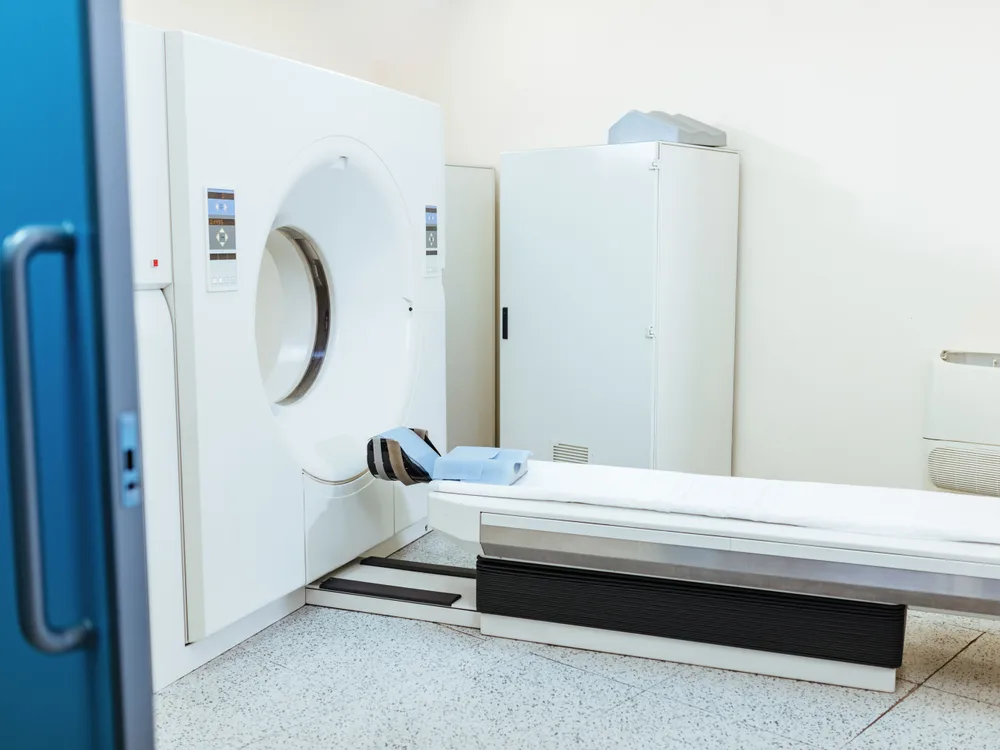
Imaging, usually a CT scan or ultrasound, confirms the stone's size, location, and number.
Smaller stones may be monitored, with medication to help them pass and manage pain, while larger or obstructing stones require an active procedure.
Retrograde intrarenal surgery, or RIRS, uses a scope passed through the urinary tract to break up and remove stones without any external incision, and is used depending on stone size and location.
Once a stone is treated, evaluation shifts toward identifying what may have contributed to it and how to reduce the chance of another one forming.
FAQs
Not always. Smaller stones often pass on their own with hydration and pain management, while larger or obstructing stones typically require an active procedure.
RIRS is a scope-based procedure that reaches the kidney through the urinary tract to break up and remove a stone, performed without any incision on the body's surface.
Recovery from RIRS is generally quicker than from more invasive stone surgery, though some mild discomfort during urination is common for a short period afterward.
Prevention depends on the type of stone and its likely cause, and can include dietary changes, adequate hydration, and, for some patients, further metabolic evaluation to understand what is contributing to stone formation.
Yes. Once someone has had a kidney stone, they are at meaningfully higher risk of forming another, which is why understanding prevention matters as much as treating the current stone.
Kidney Stone Treatment in Mumbai: Relief and Long-Term Prevention
Treating a kidney stone is only half the story. Understanding what caused it and how to prevent another one is just as important, and that conversation starts at the first consultation.