

Is This the Right Option for You?
This procedure may be considered for a patient with chronic kidney disease, kidney failure, or long-term dialysis, who has been found medically eligible for a robotic approach following donor and recipient evaluation.
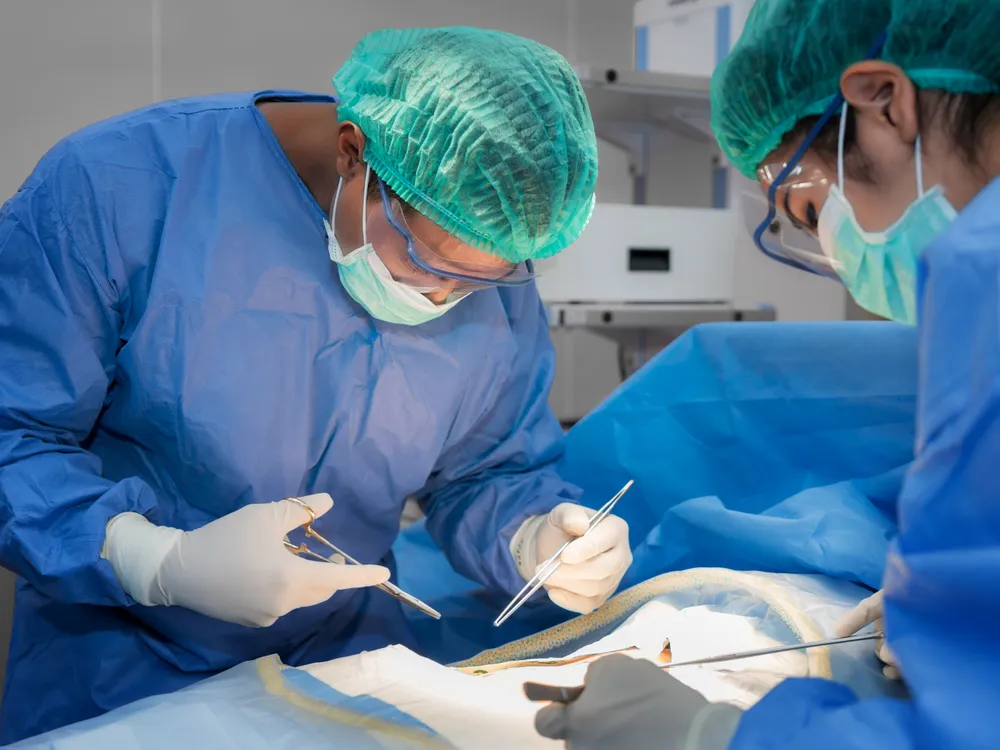
The Technique Behind the Procedure
As a kidney transplant specialist trained at Max Super Speciality Hospital, Saket, one of India's highest-volume transplant centers, Dr. Sharma offers both robotic-assisted and open kidney transplant recipient surgery.
The robotic approach is offered at only a limited number of centers worldwide and is considered on a case-by-case basis, depending on donor and recipient factors. Care includes detailed donor and recipient evaluation, multidisciplinary coordination, and dedicated long-term follow-up.
The Transplant Process, Step by Step
Understanding what to expect can make a real difference in how prepared a patient feels. Below is a general overview of the four phases most patients go through.
Reports, donor and recipient evaluation, and insurance or payment coordination are handled before a surgery date is confirmed.
Pre-surgical tests, anesthesia clearance, and a detailed discussion of the procedure take place in the days leading up to surgery.
The transplant itself, performed robotically or through open surgery depending on what has been determined most appropriate for the specific case.
Hospital monitoring, medication management, and a structured follow-up plan support the transition back to daily life.
What to Expect During Recovery
Recovery timelines vary by patient and by procedure. Robotically performed transplants are generally associated with a shorter hospital stay and less post-surgical discomfort than the equivalent open procedure. Long-term follow-up, including monitoring of kidney function and immunosuppressive medication, continues well beyond the hospital stay.
Book a Kidney Transplant Consultation in Mumbai
A kidney transplant is a significant decision, and the right approach, whether robotic or open, depends on a thorough evaluation of both donor and recipient. Bringing prior reports, dialysis history, and any existing evaluations to the first consultation is the most direct way to understand the options available.
FAQs
Candidacy depends on a detailed evaluation of both the donor and recipient, including overall health, kidney disease history, and anatomical factors. Not every patient or donor pair is suited to a robotic approach, and open transplantation remains appropriate in many cases.
Robotic kidney transplant recipient surgery is performed at a limited number of centers worldwide, including by Dr. Sharma, a certified kidney transplant surgeon trained at Max Super Speciality Hospital, Saket. As with any major surgery, risks exist and are discussed in detail during consultation.
Both approaches accomplish the same surgical goal: placing a healthy donor kidney into the recipient. The robotic approach uses a small number of incisions rather than one longer incision, which can affect recovery time and post-surgical discomfort, though the right approach depends on the individual case.
Recovery timelines vary based on the individual, the surgical approach, and any complications. Most patients require ongoing monitoring and medication management well beyond the initial hospital stay.
Both living donor and deceased donor transplants are options, depending on availability and medical suitability. This is assessed as part of the evaluation process.